
Join EFA in Berlin for the 2026 Learning Symposium — register now
April 1, 2026
Poland’s most influential nonprofit voices on LinkedIn – ranked
April 1, 2026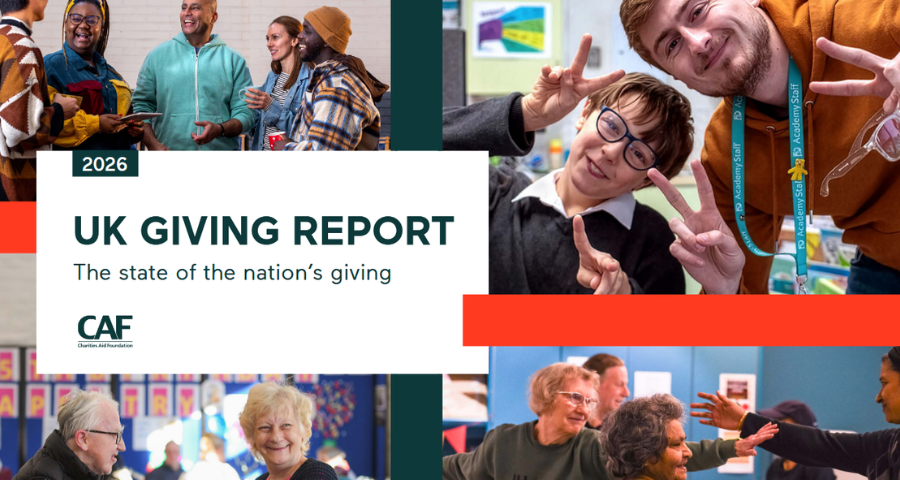
The number of people in the UK who give to charity has dropped by around six million in a decade, with the sector missing out on an estimated £12.4bn (approximately €14.3bn) as a result, according to new research by Charities Aid Foundation (CAF).
According to the report, public donations continued to drop between 2024 and 2025, with people giving an estimated £14bn in 2025, compared to £15.4bn in 2024. The public’s mean monthly donation was £65 in 2025, down from £72 in 2024, while the median donation also declined by 9%, from £28 to £26.
Affordability and (lack of) interest
The survey respondents who did not donate to charity in 2025 were asked the reasons why. The most common response by far was ‘I can’t afford it’ (49%), followed by ‘I don’t trust charities to use my money wisely’ (19%), ‘I just didn’t want to’ (10%) and ‘There hasn’t been a charity that’s interested me enough (9%)’.
CAF says that nearly three in 10 (28%) of non-donors gave an answer suggesting that they weren’t interested in charities in general, with that figure rising to just under half (49%) of those who are higher and additional rate taxpayers – a more affluent group of UK residents, numbering roughly seven million.
For those who donate to charity, the majority are motivated by an emotional reason (78%), such as caring about the cause, and because they want to be part of something bigger (53%), such as supporting their community or making a difference.
Sectors and methods
The overseas aid and disaster relief sector has been particularly badly hit – total donations have dropped from £970m in 2016 to £727m in 2025.
Health charities have the broadest support (43% of donors supporting them last year), but on average give £27, which is on par with the sector-wide average.
While only 8% of donors gave to religious causes last year, their donations were on average far higher than for any other sector at £90 – no other sector had a figure in excess of £60. Religious charities were particularly popular among donors in Northern Ireland and the East of England, while London donors had a particular interest in environmental charities.
More than a quarter of all giving – £4bn in total – is ‘planned’, which CAF defines as meaning it comes through direct debits, standing orders, membership fees and subscriptions. Meanwhile, 40% of donors said they normally only give to charity when directly asked or moved by an appeal, and a third of donors still like to donate cash.
Mark Greer, managing director of the Charities Aid Foundation says:
“Giving falling by nearly 10% in a year will be a significant concern for charities up and down the country who are providing vital services to people in need. We have been relying on a declining number of dedicated donors, but the reality of this trend has begun to bite.
“To support our communities, we need a collaborative effort to revive the culture of giving across the country. This includes exploring ways we can encourage donations from those that can afford to give, and policy action from the Government to unlock greater giving.”