
More Swedes giving, but political divide widens
April 1, 2026
International fundraising conference invites civil society leaders to Sofia
April 1, 2026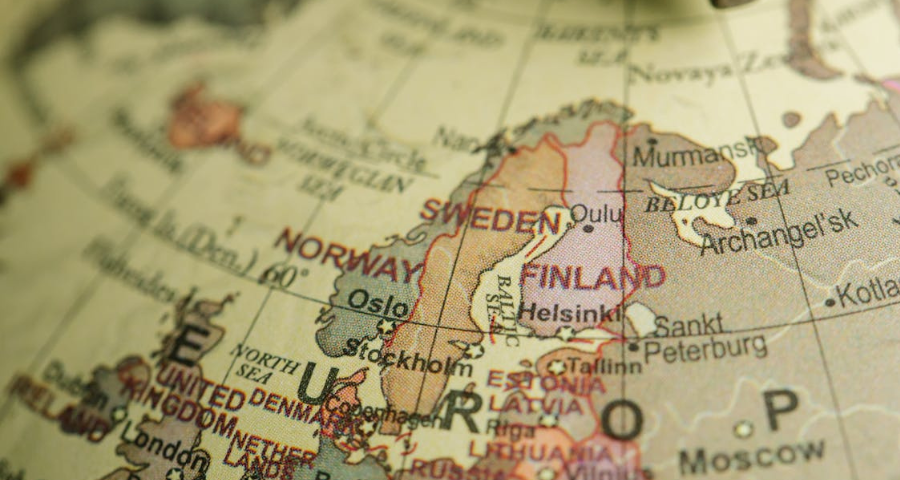
Swedes and Norwegians are more likely to give to charity in 2026, while Finns and Danes have become slightly less generous, new research shows.
This is according to the Nordic Donor Report 2026, conducted on behalf of EFA members ISOBRO (Denmark), Giva Sverige (Sweden), Fundraising Norway and VaLa (Finland), with around 1,000 adults surveyed in each country.
Seven in 10 (70%) Norwegians, up from 66% last year, said they donate regularly or occasionally to charities. In Denmark, which was the most generous nation in the 2024 and 2025 surveys, the figure fell slightly from 67% to 66%.
Sweden also overtook Denmark, moving from 64% to 69%, while Finland’s figure dropped from 50% to 48%.
Between 2024 and 2025, the donor share had risen in all four countries, by at least six percentage points.
The report notes that the difference between men’s and women’s giving rates has been narrowing over time, and that giving is also increasing across most age groups. The exceptions are in Sweden and Norway, where giving by 18-29-year-olds has been flat across the last three years — something the report says “may need specific attention.”
25% more engagement
Across the four countries, overall engagement in charitable activities has grown by 25% between 2024 and 2026. There is a positive trend around activities such as donating clothes or goods — the most common charitable activity in the region — entering raffles, and making one-off or regular donations.
Volunteering has remained essentially stable, moving from 9% in 2024 to 10% in 2026, while remembering a charity in a will has dropped from 2% to 1%.
Humanitarian aid remained the most supported cause across the Nordics, cited by 27% of respondents, with support for disadvantaged people in their home country (24%) and people in need in developing countries (18%) the next most prominent.
There is, however, notable variation within the region. Helping disadvantaged people in the home country is Finland’s most supported cause (35%), ahead of humanitarian aid (23%) — the reverse of the pattern in Norway, Sweden and Denmark, where humanitarian aid consistently leads. Finland is also the only country where support for religious organizations has not declined over the three years of the survey.
The Finland gap
The report flags a decline in monthly giving in Finland, with the proportion of monthly donors dropping from 18% in 2025 to 10% in 2026, compared to roughly one in three donors in the other three countries.
As was the case following the 2025 report, VaLa points to tax policy as a structural factor in the gap, noting its own research findings that more than 30% of Finns say they would give more if donations were tax-deductible, rising to around 45% among younger age groups.
Picture by Lara Jameson via Pexels