
International fundraising conference invites civil society leaders to Sofia
April 1, 2026
Roadmap aims to accelerate philanthropy outside UK capital
May 5, 2026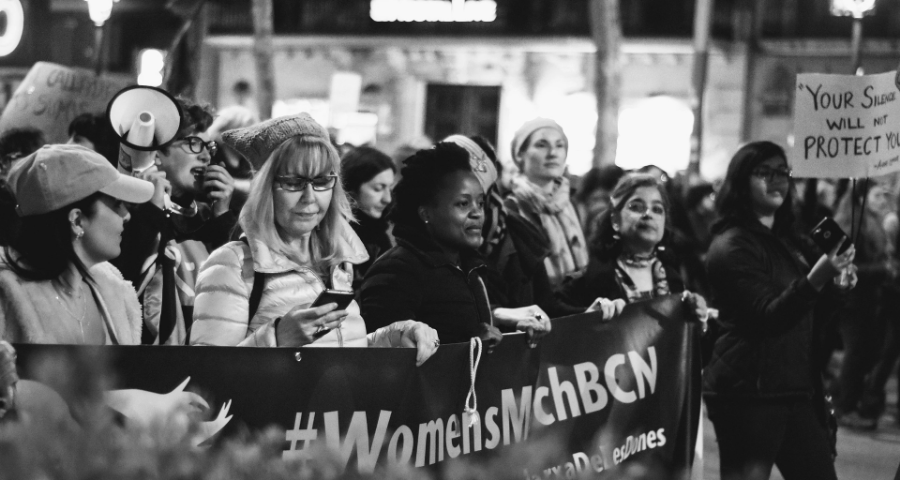
Philanthropic organizations and charities must embed gender considerations across their work, urges a new report which highlights a significant rise in ‘anti-gender’ spending.
Proven Practices in Gender Mainstreaming: Foundations in Conversation, a publication by Philea’s Gender Equality, Diversity and Inclusion Network, notes that only 0.42% of foundation grants reach women’s rights organizations, and 1% of development aid reaches feminist organizations led by marginalised groups.
The report argues that funders should treat gender not as a standalone issue but as a lens that improves outcomes across all areas of work, from climate and health to employment and education.
The economic case for this is clear, Philea says, citing a McKinsey Global Institute report finding that gender inequality costs the world approximately $12 trillion in global gross domestic product (GDP).
This is particularly pressing given the rise in what it calls ‘anti-gender’ movements — typically well-resourced, strategically coordinated campaigns aimed at rolling back rights related to reproductive health, LGBTQ+ inclusion and gender education. Philea’s report highlights research showing that funding for these movements grew from $22.2m (€18.9m) per year in 2009 to $96m in 2018.
Next steps
The report, which draws on case studies from six major foundations, argues that funders should move away from siloed grantmaking. It argues that pooled and collaborative funds enable foundations to take bolder decisions, share risk, and direct resources more effectively to grassroots actors.
The report sets out four practical starting points for any organisation wanting to embrace gender mainstreaming: developing an internal business case, finding an internal champion, beginning with small initiatives, and gradually expanding the base of advocates.
Hilal Baykara, a consultant who wrote sections of the report, says in a blog on Philea’s website:
“In a time of democratic backsliding and rising anti-gender movements, philanthropic organizations of all types have both the responsibility and the ability to act with courage to mainstream gender across internal practices and external strategies, to invest in those most affected by inequality, and to safeguard the progress already won.”