
Millions of high earners in UK do not know about tax relief on donations
February 25, 2026
Optimism for Swedish fundraising after record-breaking December
February 25, 2026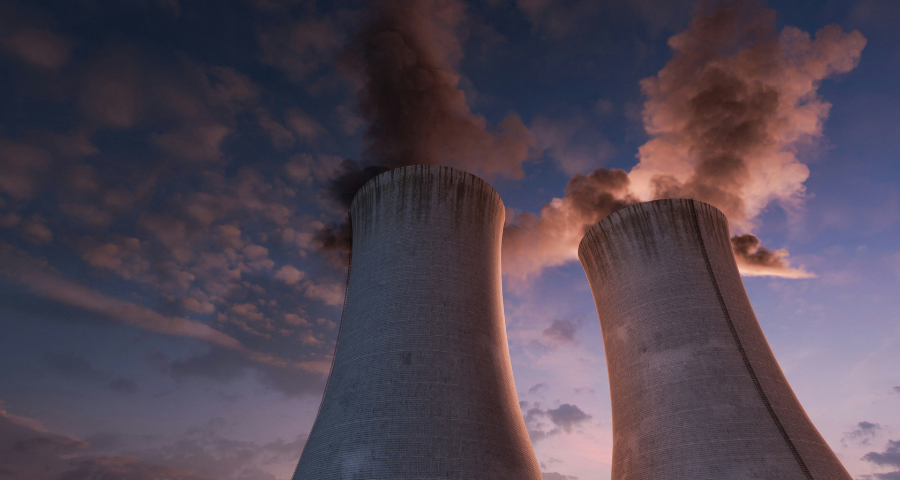
The 60 largest foundations in Germany distributed €6.8bn in 2024, according to data from the Bundesverband Deutscher Stiftungen (BDS), a nonprofit supporting the sector.
The charities with the largest purpose expenditure (Zweckausgaben) in 2024 were:
- €996.8m by RAG-Stiftung, which finances a range of ecological and social projects in post-industrial regions
- €804.9m by KENFO, the fund established to finance Germany’s radioactive waste storage
- €706.9m by VolkswagenStiftung, a research funder created following the privatisation of carmaker Volkswagen
KENFO is one of 21 public law foundations in the list, meaning it was created by a public entity. The other 39 are private law foundations, which are set up by a private company or individual.
KENFO has by far the largest total equity of any foundation in either list, at €19.7bn.
No other public law foundation has more than €1bn, although seven private law foundations are larger than this – the biggest are Robert Bosch Stiftung GmbH (€5.3bn) and Deutsche Bundesstiftung Umwelt (€2.9bn), with VolkswagenStiftung third (€2.8bn).
Outside of these very large foundations, the list also contains some which are comparatively more modest – six have equity of less than €10m.
In terms of purpose spending, the lowest figure was €600,000 by the Breisgauer Katholischer Religionsfonds, a regional Catholic fund. Four other public law foundations linked to the church also had spending of less than €3m, which in each case is less than 1% of their equity.
There are also several foundations whose spending is larger than their equity, demonstrating the varied financial models of the organisations on the list.
An additional €1.4bn
The organisation’s annual top 60 list is published at the start of the year, and the latest figure is notably larger than last year’s, which showed total spending (in 2023) of €5.4bn.
However, as BDS notes, these two figures are not directly comparable, nor do they necessarily capture every relevant foundation. This is because of factors including that some foundations do not have to make their annual reports public, or do not provide these as part of this research in some or all years.
Friederike v. Bünau, secretary-general of the Bundesverband Deutscher Stiftungen, says:
“With their voluntary information, the listed foundations make visible the creative power in the German foundation sector. With their transparency, they are going ahead as good examples. Especially in the current socio-political debate about the role of civil society organisations, they are making an important contribution that can strengthen the public’s trust in the work of foundations.”
Picture by Planet Volumes on Unsplash+