
Bulgarians engaging with NGOs almost twice as likely to defend democracy
January 14, 2026
Average Swiss donation drops to 2019 level but more people are giving
January 14, 2026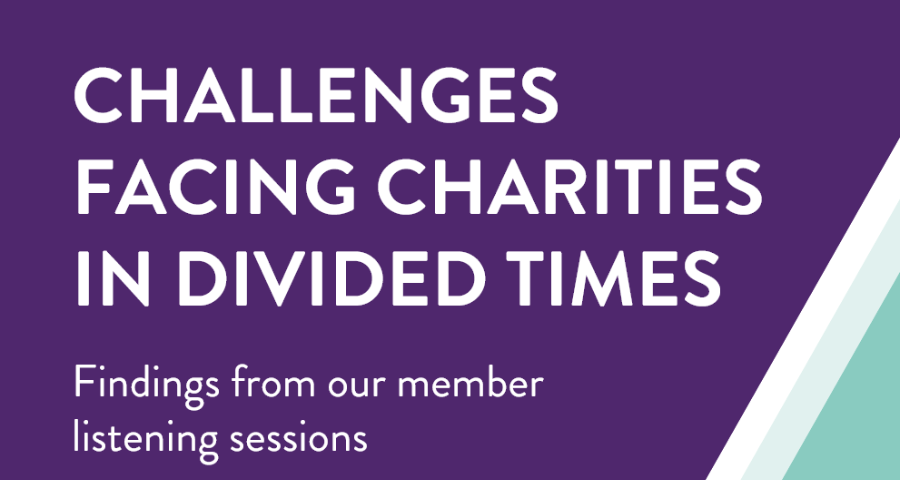
Harassment of staff, a climate of fear and increasing internal tensions are now the daily reality for some charities in the UK, a new report says.
Organisations are “being forced to cancel crucial community and fundraising events due to security risks and direct threats”, according to Challenges Facing Charities in Divided Times, based on focus groups including a range of charities, published by sector body NCVO.
The charity regulator has also suggested that funders should show “flexibility” to charities struggling to meet funding agreements as a result of this climate.
The issues of migration and asylum have caused particular tension in the UK in recent months. While these are reflected in NCVO’s report, it also mentions charities in other areas, such as LGBT issues. As reported by Fundraising Europe in October, charities across Europe have been told to consider how to avoid exacerbating polarisation in their activities, including fundraising.
The NCVO report identifies four major themes:
- a “tangible sense of fear” that is impacting the daily lives of staff, volunteers and those they support – particularly those from global majority backgrounds
- operational disruption and “forced invisibility”, with organisations cancelling events, or reducing their public activity because of direct threats or security concerns
- targeting and abuse, with many participants “receiving intimidating emails and other forms of harassment”
- increasing internal tensions and conflicting views among staff, trustees and volunteers, as well as “challenging interactions” with service users
The day before NCVO’s report was published, the head of the Charity Commission for England and Wales said he was “disturbed” to learn about measures charities were taking to protect staff in the face of “growing hostility”.
The commission also published guidance for charities impacted by these issues. This includes a specific recommendation around relationships with funders, saying:
“If you have concerns that you may not be able to deliver some of the activities set out in your funding agreements as a result of instances of abuse, threat or intimidation, seek an early conversation with the funder. They may be able to help by showing flexibility in these exceptional circumstances.”
NCVO said that it would develop further guidance on issues around staff safety, online hate and risk management. It also pledged to create “confidential peer-support spaces for leaders and frontline staff experiencing hostility”, and to continue to raise the issue with government and regulators.