
Slovakia’s “Russian Law” episode: How a government tested the limits of civic space
April 1, 2026
Robert Buchhaus: Why face-to-face fundraising is the future of trust
May 13, 2026
Ahead of EFA’s 2026 Learning Symposium on 31 May – 1 June, we ask three fundraisers to share how they started in fundraising, the opportunities and training they’ve taken — and the difference that training has made. They also provide their top tips for progressing a career in fundraising.
In a changing and increasingly complex environment for nonprofits, fundraising is central to organizational success and sustainability. As a result, demand for high-quality professional development is growing rapidly, as fundraisers seek clear and credible pathways to build their skills, strengthen their leadership capabilities, and gain recognised qualifications that reflect the realities of modern fundraising practice.
Supporting the development of the fundraising profession is a core priority for EFA. Through its Certification programme, EFA facilitates training and formal qualifications that help fundraisers grow and excel. Earlier this year, EFA launched its revised Advanced Competence Framework. This provides a robust foundation for training providers to design courses that meet the evolving needs of fundraisers operating in a leadership or management capacity or looking to progress into such roles. Later this month, the EFA Learning Symposium (31 May – 1 June in Berlin) will bring together educators, experts, and senior fundraisers to explore what kind of education produces better fundraisers, stronger organizations, and more sustainable income.
Ahead of this, we spoke to three fundraisers about their own career journeys — how they started in fundraising, the training and opportunities they pursued, and the impact professional development has had on their work. They also share their advice for others looking to grow and succeed in fundraising.
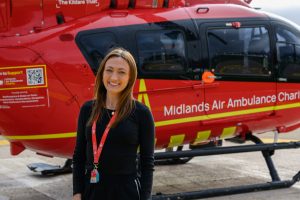 Charley Burke, innovation and development manager, Midlands Air Ambulance Charity, UK
How did you start in fundraising?
Like many professional fundraisers, I found my way into the sector through a growing awareness of the impact I wanted to have in my career. I have always been motivated by working on things that truly matter, and fundraising provides a meaningful way to contribute to positive change.
I started out in the Midlands Air Ambulance Charity marketing department where I developed a huge appreciation for the cause. My career in fundraising began through a six-month secondment managing community fundraising in Worcestershire. What began as a short-term opportunity evolved into a five-year journey.
Unlike many in the sector, I have remained with the same organization throughout my fundraising career. I now have the privilege of leading innovative income generation projects, driving forward new ideas to support and sustain our mission.
What key experiences or opportunities have helped you progress to where you are today?
A combination of practical experience, professional development, and sector engagement has been instrumental in my progression.
My background in marketing has been invaluable, equipping me with the skills to communicate compelling stories and build strong cases for support. Fundraising draws on a wide range of transferable skills, and this foundation has enabled me to engage supporters effectively and authentically. Networking and peer learning opportunities have broadened my understanding of the wider sector while allowing me to remain connected to an organization I am deeply passionate about.
Completing the Chartered Institute of Fundraising’s Fundraising Diploma strengthened my theoretical knowledge and deepened my understanding of the diverse skill set required to deliver excellent supporter stewardship. Importantly, my organization actively champions innovation. During my time in community fundraising, I was given the autonomy to test new ideas, learn from failure, and respond to supporter needs in an agile way. This experience has been invaluable in shaping my approach, encouraging creativity, resilience, and a supporter-focused mindset.
How has professional training in particular helped you?
Fundraising is sometimes perceived as the more accessible or “lighter” side of charity work; however, while it is dynamic and rewarding, it is underpinned by critical knowledge and professional standards.
Professional training and credentials have been essential in ensuring that my work is delivered with transparency and accountability. Gaining formal qualifications has not only deepened my understanding of best practice, but strengthened my confidence in delivering strategic and impactful fundraising initiatives.
What are your top tips for progressing a career in fundraising?
- Stay open to unexpected opportunities A career in fundraising doesn’t always follow a straight path. Being open to secondments, side projects, or internal moves can lead to long-term growth. What starts as a short-term role can evolve into something much bigger if you’re willing to step in, learn quickly, and make an impact.
- Build on transferable skills and purpose Fundraising thrives on skills from other disciplines, in my case marketing, communications, relationship-building. Use what you already know to tell compelling stories and connect with supporters. At the same time, stay grounded in the cause; a clear sense of purpose will shape how authentically and effectively you engage others.
- Invest in learning, networks, and experimentation Progress comes from a mix of hands-on experience, professional training, and learning from others. Seek out development opportunities, connect with peers, and don’t be afraid to test new ideas. Innovation often comes from trying, failing, and adapting. Build resilience and keep your focus on what supporters need.
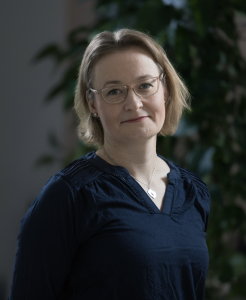 Sanna Nupponen, fundraising coordinator, Tukilinja, Finland
How did you start in fundraising?
I have worked at Tukilinja for nearly 17 years. For more than 10 of those I have been at the very heart of our organization’s purpose: processing grant applications from low-income people with disabilities and people living with long-term functional impairments. My background is in social services, so moving into fundraising from my earlier social work role at Tukilinja felt like a natural step, and I had already seen first-hand the impact that the funds raised through our fundraising efforts can make.
My current role is coordinator of fundraising and grant operations. On the grants side, I am responsible for collaborative grants that we award together with partner organizations. On the fundraising side, I work on developing our fundraising and the communications that support it as a whole. This includes both creating new fundraising approaches and strengthening existing ones. Previously, our fundraising was based solely on income from Tukilinja magazine, which was sold through telephone fundraising. My role is therefore very varied, and what matters greatly to me is that I remain closely connected to our grant work — the core of our mission, and the reason why we raise funds in the first place.
What key experiences or opportunities have helped you progress to where you are today?
I completed a specialist vocational qualification in fundraising, which gave me the opportunity to explore the field in depth and from many different angles. Most importantly, however, I have found networking with experienced professionals in the sector incredibly valuable. I have also benefitted greatly from taking an active part in the training sessions and events organised by Vastuullinen Lahjoittaminen (VaLa ry), the Finnish fundraising association.
How has professional training in particular helped you?
Professional training gave me a broad overall understanding of what fundraising is and what it can be. It also helped me build strong professional networks, both with fellow students and with trainers, and those connections have provided an excellent foundation for ongoing professional networking and development.
What are your top tips for progressing a career in fundraising?
- Network 😊 My single most important piece of advice would be to build connections with other fundraising professionals. I would very warmly encourage people to take part, whenever possible, in events where they can meet others working in the field. In Finland, these include, for example, VaLa’s webinars and live events.
- Keep a close eye on the wider fundraising field, including organizations that might at first seem like “competitors”. For instance, if you work in the social and health sector, it is still very worthwhile looking at how environmental organizations approach fundraising and learning from their ideas and practices.
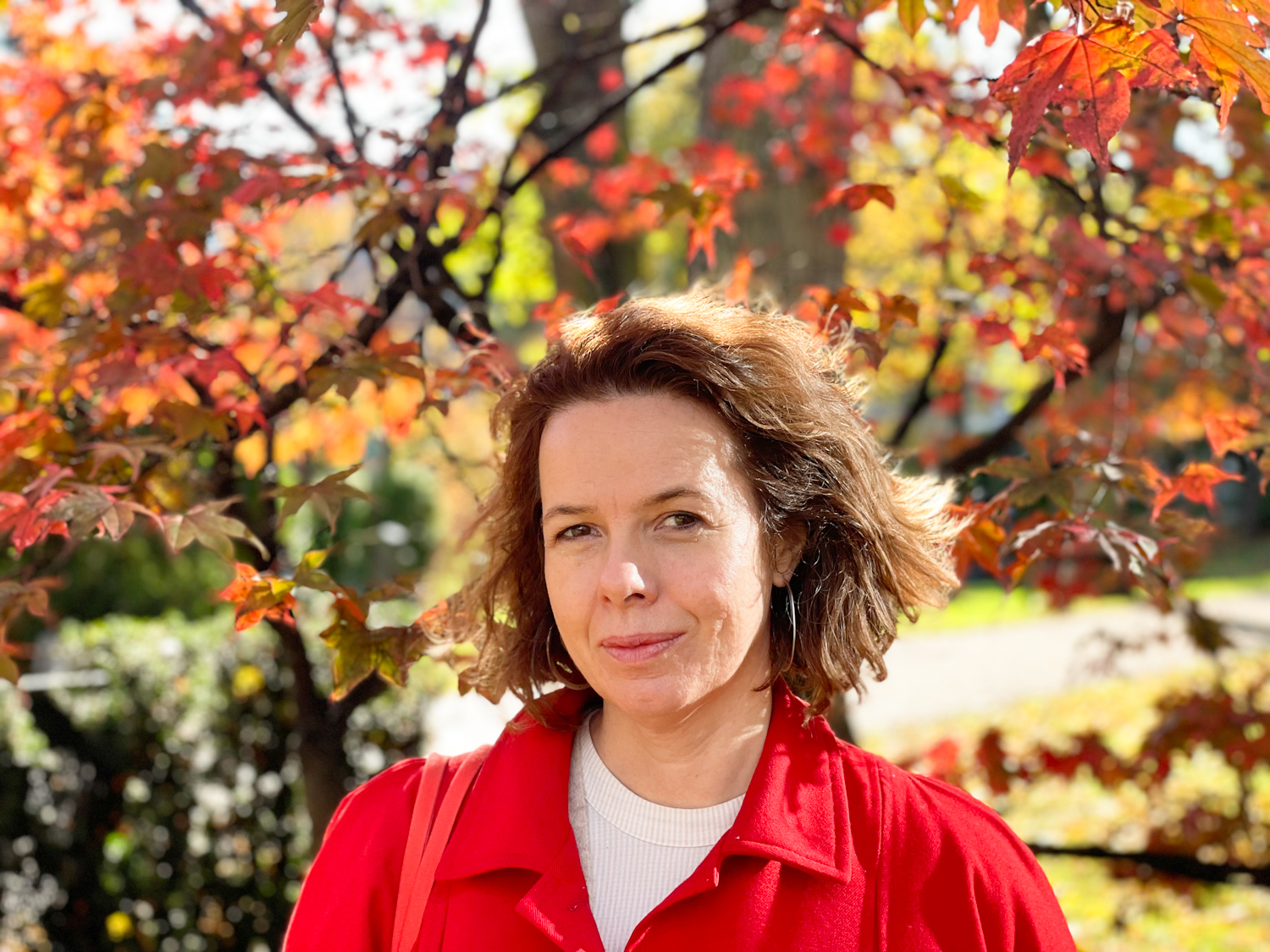 Ingvild Vaale Arnesen, marketing manager, Sabima, Norway
How did you start in fundraising?
My journey began with the Norwegian Cancer Society, driven by a deep personal commitment that came from my own experience of losing my mother to pancreatic cancer. As a result, I felt a profound need to contribute to cancer research and treatment. That emotional connection drew me into fundraising — it was a cause I couldn’t ignore.
My path was also shaped by a Master’s degree in business and administration, chosen for its flexibility and broad opportunities. I was always drawn to nonprofit organizations but after the Norwegian Cancer Society I first worked with Oslo’s largest film festivals, where sponsorship and partnership elements introduced me to fundraising in a different context. Now, as marketing manager at Sabima, a Norwegian NGO working to protect the environment, I have returned to charitable fundraising.
What key experiences or opportunities have helped you progress to where you are today?
My progress has been shaped by a combination of education, diverse experiences, and the courage to align my work with my passions. My business degree provided a strong foundation, while my decision to study fundraising through a programme with Fundraising Norway and Plymouth University added credibility and structure to my skills.
Networking has also played a role. and professional training has offered valuable frameworks, insights and validation, but what has mattered most is the wish to pursue work that resonates with my values. I believe passion and authenticity are equally vital and powerful driving forces. I am also a self-taught photographer. This has also been a guiding passion for many years, reminding me what is really important and a great tool for understanding myself, my surroundings and what I care deeply about.
In my work, I bring not only a strategic and operational understanding of marketing but a strong visual sensibility, shaped by my background in photography. I believe deeply in the power of visual storytelling to connect with people, and my work is driven by a commitment to fostering both personal and collective growth. For me, it’s about more than just communication — it’s about using my insights into human nature and my creative skills to inspire connection and development, whether in my work, myself or in those I work with.
How has professional training in particular helped you?
Professional training, like the fundraising programme I took with Plymouth University and Fundraising Norway, gave me a structured framework and credibility. It validated my skills and deepened my understanding of the field. That said, my career as a photographer taught me that formal training isn’t everything — passion and authenticity are just as powerful. Training provided the tools, and my diverse experiences and personal drive shaped how I use them.
What are your top tips for progressing a career in fundraising?
- Find where you want to make a difference. Fundraising is about purpose, so identify the causes or organizations that truly resonate with you.
- Educate yourself. If you feel you need more knowledge or skills, seek out training or program to build knowledge, credibility and confidence.
- Bring your unique experiences with you. Fundraising is different from working with commercial brands, even if brand-building is still important. Your diverse background can be an asset, so don’t underestimate what you already know.
- My best advice? Be patient and don’t give up on your dreams and passion. Every experience matters, and sometimes it takes time to reach your goal. Stay committed to finding the places where you can truly contribute and make a difference.