France: 125 years of freedom of association — & a shrinking civic space
June 24, 2026
What France’s Senate report on private philanthropy funding means for Europe
August 5, 2026
Film is an impactful way of sharing the value of legacy giving and encouraging more people to consider including a charitable gift in their will, but what’s the best message to share? Founder of The Saltways Emma Bracegirdle shares her insights for this month’s edition of Fundraising Europe.
Over the next two decades, the transfer of wealth from Baby Boomers to their heirs and to charitable causes will be unlike anything the sector has seen before. Across Europe and beyond, organisations of every size are waking up to that opportunity, and many are investing in legacy content for the first time. The problem is that some of that content is built around the wrong thing entirely: the organisation, rather than the donor.
Beautifully produced films that open with mission statements, impact statistics, and carefully crafted brand messaging are everywhere. But what if we started to create content that did something much simpler and let legacy pledgers tell their stories?
What the neuroscience tells us
Professor Russell James at Texas Tech University has done some of the most compelling research in this area, using brain scanners to understand what happens when people consider leaving a legacy gift, and what he found is fascinating.
Legacy decisions activate what James calls the “visualised autobiography” regions of the brain, the parts we use when thinking about our own life stories and memories, and the stronger that activation, the more interested someone is in making a gift. This is why legacy giving is fundamentally different from other forms of donation: it is a deeply personal act of self-expression rooted in a donor’s sense of their own life and values.
Dr Claire Routley’s research (with Marina Jones) reaches the same conclusion through a different method. When she interviewed people who had left legacy gifts, they all had clear, identifiable life-story connections with their chosen charities, and the decision was never abstract or transactional but always rooted in lived experience and a sense of personal continuity.
One size does not fit all
Recent research by James and Routley adds a further layer of nuance that is particularly valuable for the sector. It found that people’s attitudes towards money fall into four broad mindsets: those who see money as a marker of status, those who experience financial anxiety, those who are planners, and those who are bargain-seekers. Each group is motivated differently, and the things that encourage someone to include a charitable gift in their will are quite different from the things that influence how much they ultimately leave.
This has direct implications for how you think about your content mix.
- For your planners, a pledger who talks through the practical decision behind their gift, how it fits into retirement planning or how the conversation with a solicitor went, can be more persuasive than any amount of emotional storytelling.
- For donors motivated by status and recognition, social proof content works well, including films that show the tangible, lasting impact a gift has made, or stories about named funds and what they have built over time.
- For those who are more anxious about money, the most powerful content is probably the warmest, featuring a pledger who had similar concerns and found a way through.
- For bargain-seekers, a short explainer film or an interview that touches on the tax efficiency of a gift in a will can open doors that purely emotional content might not.
The question worth asking is whether your legacy content is speaking to one type of donor and quietly overlooking everyone else.
What this looks like in practice
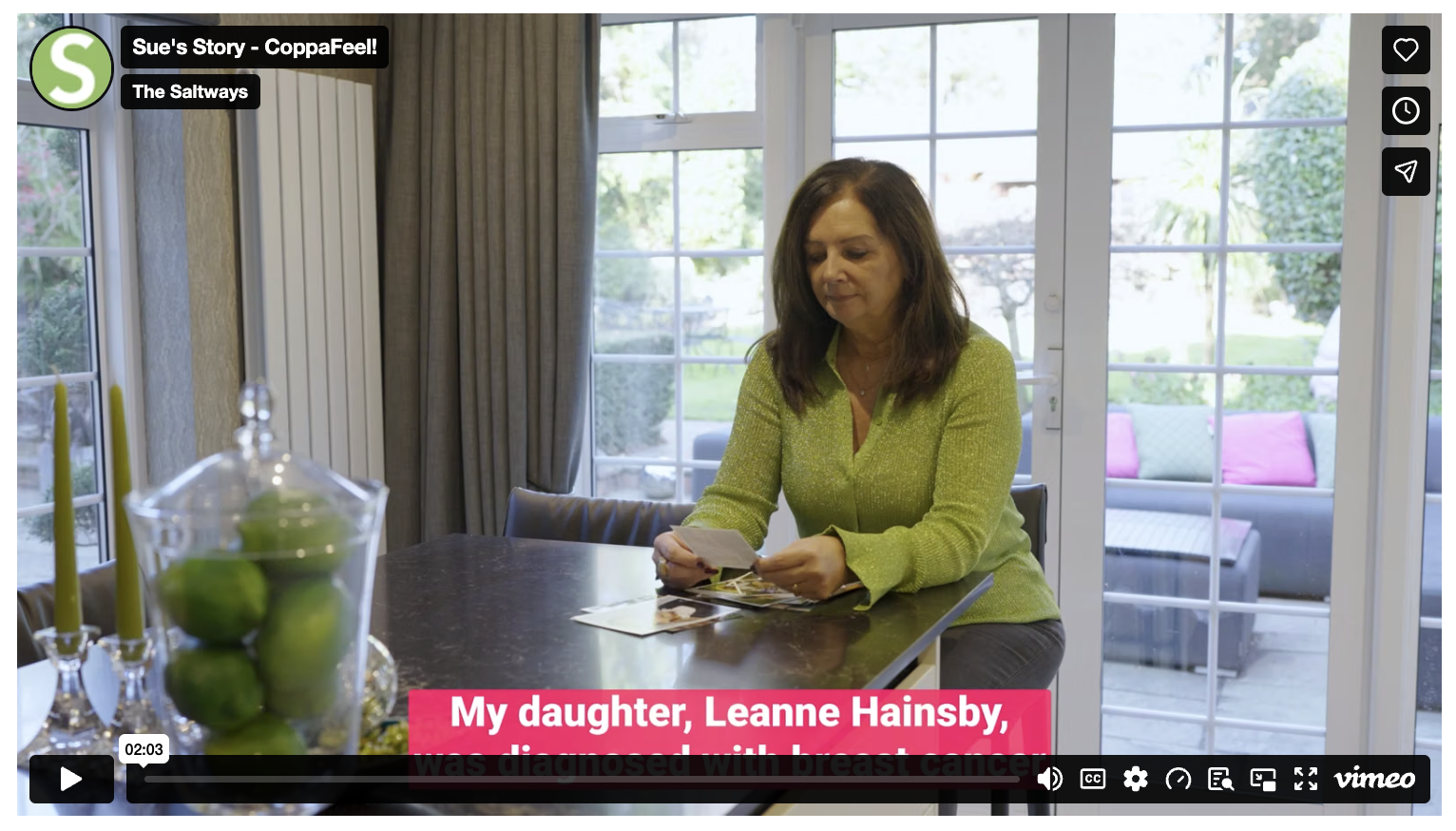
CoppaFeel is a breast cancer awareness charity with a young, contemporary brand, not what most people picture when they think of legacy fundraising, and their pledger film featured a supporter speaking directly about their connection to the cause. Why she had decided to make a gift, what it meant to her and her family, and how it sat alongside the rest of their lives. The film avoided production gloss, voiceover, and institutional messaging in favour of real people talking honestly, and it has secured 14 new pledgers with a 50% acquisition rate on launch.
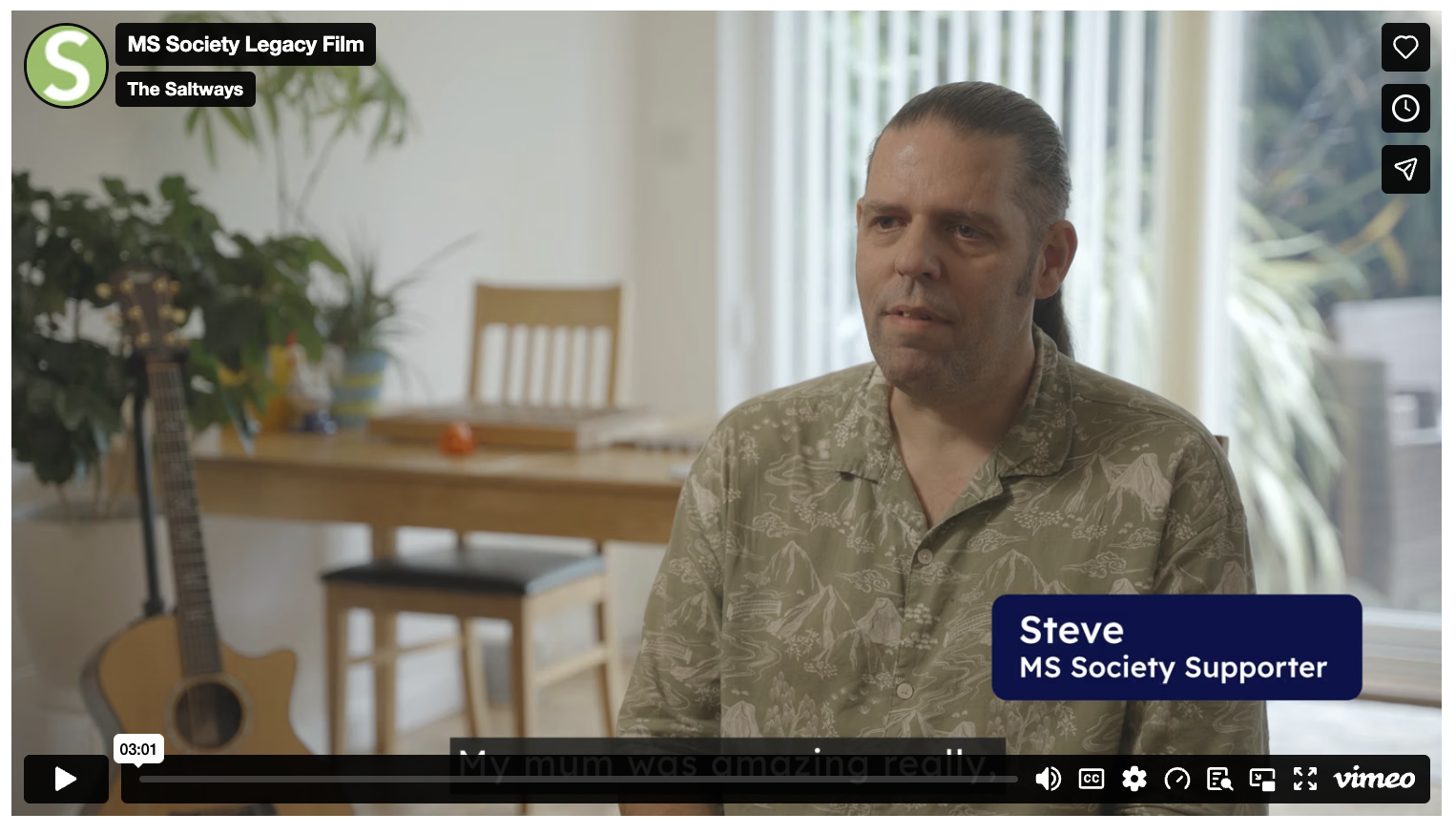
The MS Society project took a different approach, featuring multiple pledgers each with different motivations including personal experience of MS, commitment to research, and a sense of community belonging. The deliberate diversity of perspectives reflected the reality that there is no single profile of a legacy pledger, and that showing multiple pathways into a gift is more inclusive and more effective than building content around a single archetype.
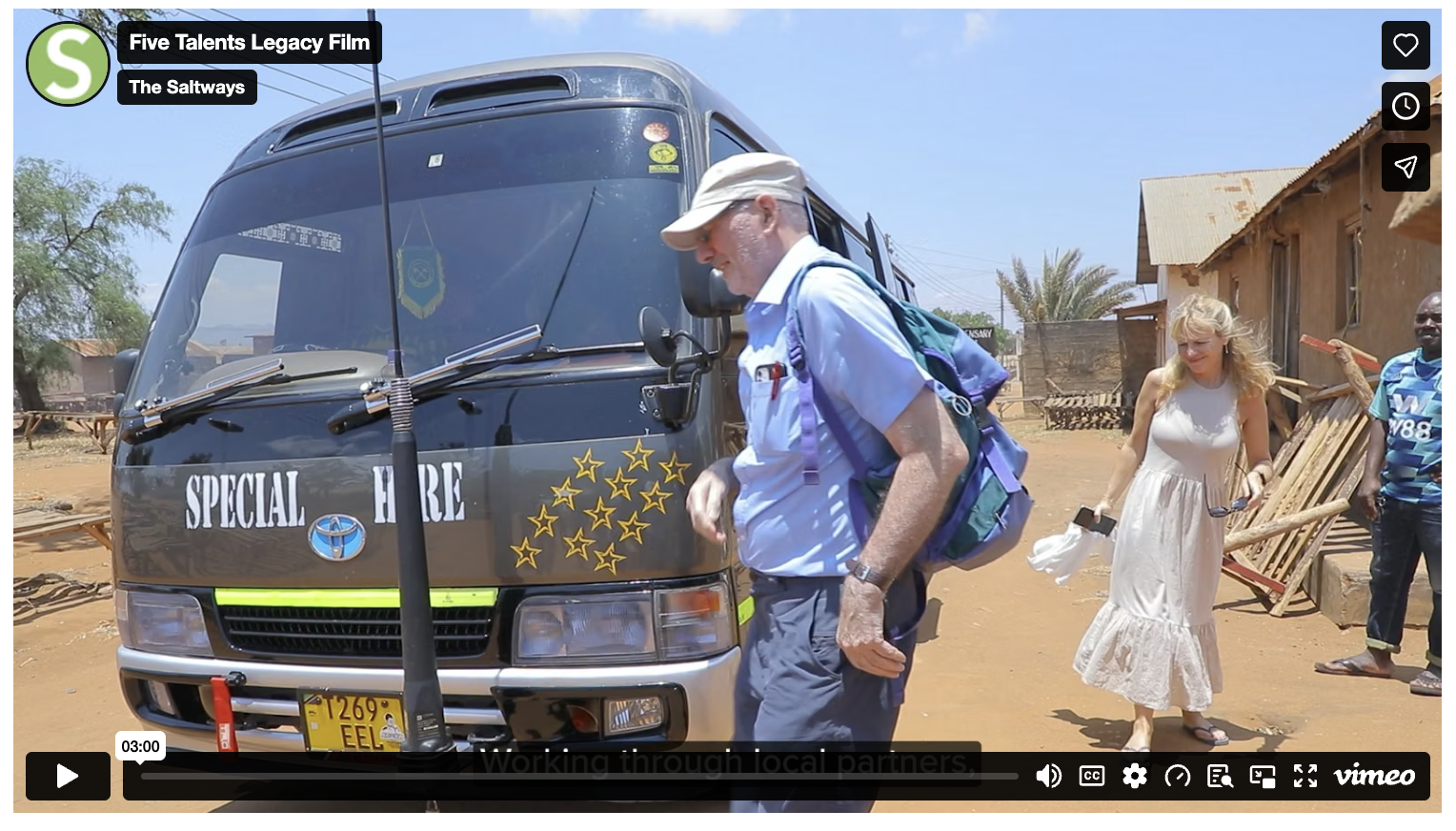
Five Talents took a different angle again, featuring Richard, a supporter with a development background, who talked through his gift in terms of due diligence and long-term investment thinking. That framing resonated deeply with Five Talents’ donor base precisely because it reflected how their supporters actually think and talk about money: it was their language, not the charity’s, and that distinction matters enormously.
Trusting the process
There is a practical question underneath all of this, which is how you actually find the right people to feature. Research from Remember A Charity found that 64% of legacy pledgers haven’t told the charities they’ve included a gift. Legacy pledgers are also far more likely to be among your existing supporters than you might expect — they could be your volunteers, regular donors or staff members.
The most effective process starts not with a camera but with a conversation. Talking to supporters, both pledgers and non-pledgers, about what would motivate someone to leave a gift reveals the authentic language and concerns that actually resonate in your community, and those conversations also open doors, because many supporters will say yes to sharing their story when approached with genuine interest and respect.
Good legacy content then needs to balance emotional connection alongside rational explanation, and clear personal values alongside motivations that other viewers can recognise in themselves. The collaborative approach matters too, including sharing drafts, gathering feedback, and making sure participants feel comfortable with how their story is told, not only because it is ethically right but because it consistently produces better content.
Authenticity over polish
In our experience, and that of many legacy fundraisers we have worked alongside, over-produced content tends to underperform compared to more authentically produced videos.
The Five Talents project demonstrated that supporters respond to straightforward, evidence-based storytelling that reflects their own language rather than the charity’s marketing register.
The wealth transfer currently underway is unprecedented, and organisations that invest now in building trust, creating authentic pledger stories, and reaching supporters across different motivational profiles will be better positioned for what is coming. It does not need to be complicated or expensive to begin, and your supporters deserve the opportunity to create impact that extends far beyond their lifetimes.
 About Emma Bracegirdle
Emma Bracegirdle is founder of The Saltways, an ethical video production company and consultancy working exclusively with charities and nonprofits. The Saltways works with organisations of all sizes and causes on legacy video content, training, and storytelling strategy. You can reach Emma at emma@thesaltways.com. The Saltways is celebrating the power of ethical storytelling in the charity sector with a Charity Film Festival on 24 September, bringing together charity and nonprofit professionals for a full day of film screenings, workshops, panel discussions, live music and live streamed awards ceremony.