
Trust-based philanthropy – strengthening nonprofits & boosting impact
September 16, 2026
To help finance part of the refurbishment of its Small Animal Clinic, Ghent University’s Faculty of Veterinary Medicine ran a successful peer-to-peer fundraising campaign. The university’s Wim Van der Planken explains how it worked, why it’s an approach worth considering – and how to get started.
When the Faculty of Veterinary Medicine at Ghent University (Belgium) decided to renovate its Small Animal Clinic, fundraising was explored to help finance part of the refurbishment. New housing for dogs and cats was urgently needed, and other medical equipment also required upgrading.
A peer-to-peer fundraising campaign was launched to support the purchase of new animal enclosures. Target audiences included staff and clients of the clinic, as well as researchers, students and alumni of the faculty. To ensure visibility, the campaign relied heavily on online communication, with articles and a video promoted through paid social media. Users who engaged with this content were subsequently targeted with remarketing and conversion ads directing them to the campaign website. There, they could choose to either start their own fundraising action, donate to an existing one, or give directly to the campaign.
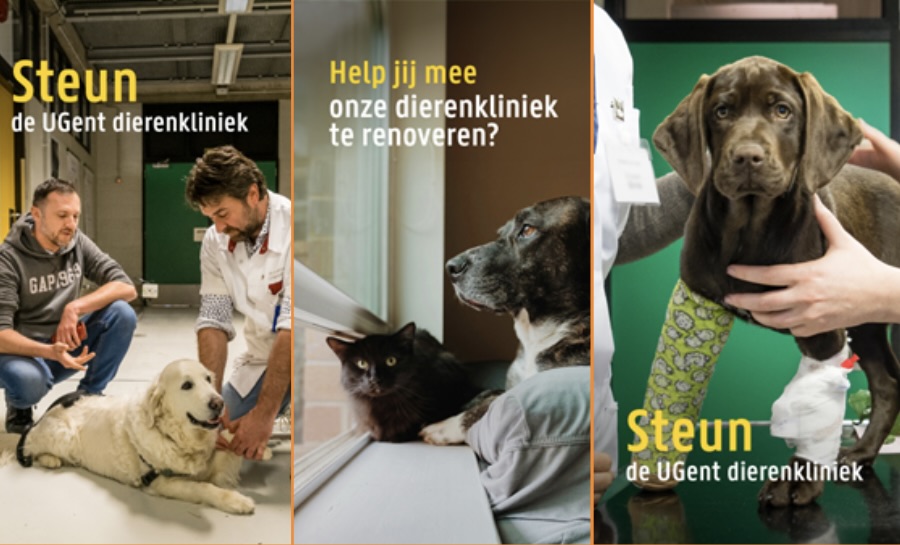
Examples of paid social media posts
The campaign not only generated €85,000 in donations, but also led to valuable new relationships, both with individuals and companies, that could be further developed for future support. Shortly after the campaign, the clinic also received three legacy gifts, and several individuals made enquiries about including the faculty or clinic in their wills. For the faculty, this was also a first meaningful experience with fundraising, firmly placing it on their radar as a potential income stream.
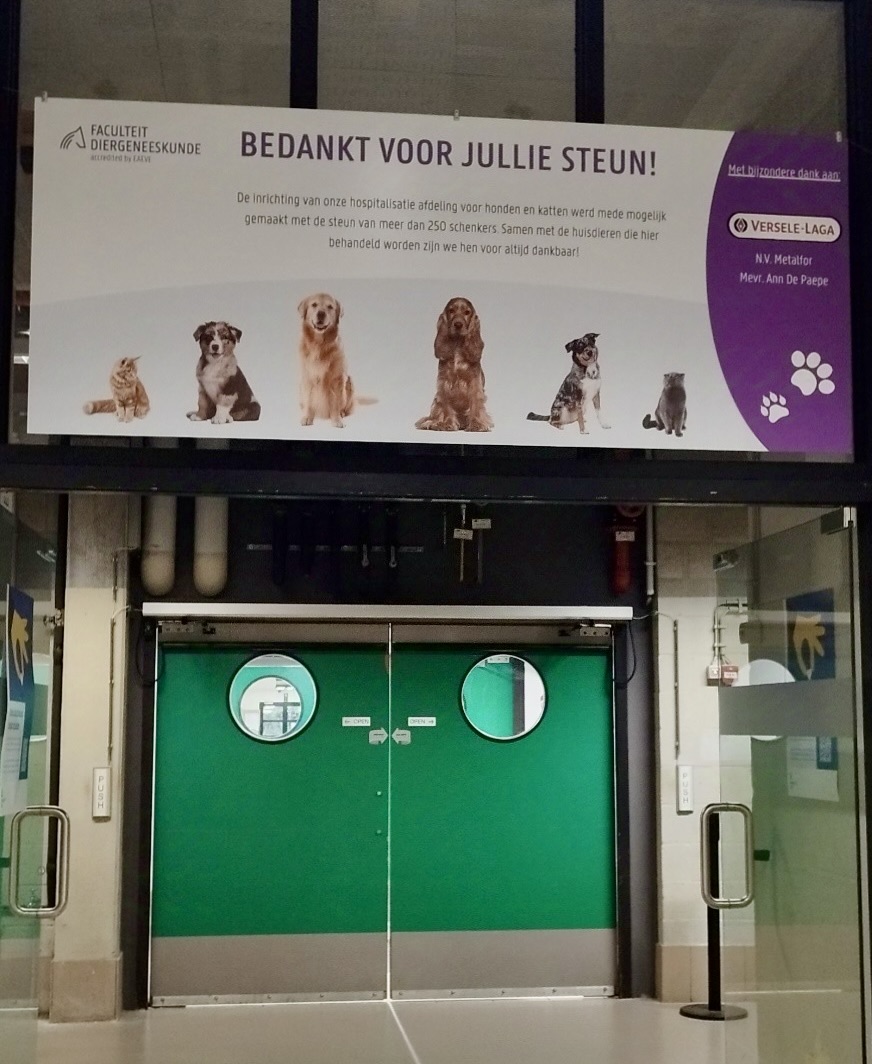
Thank you sign above the clinic’s entrance
Peer-to-peer fundraising proved to be the right choice for this campaign. It is now also part of our “always-on” fundraising offer: anyone can start a fundraising initiative to support research or education at our university.
This approach offers many advantages. Below are six reasons why you, as a fundraising professional, should consider peer-to-peer fundraising.
- Avoid costly donor acquisition investments
Acquiring new donors can demand significant investment, particularly through traditional channels such as face-to-face fundraising, telemarketing or direct mail. Peer-to-peer fundraising is a relatively cost-effective and efficient way to acquire new supporters. In our veterinary clinic campaign, every euro invested generated €4.28, a return on investment that is often difficult to achieve through traditional channels.
- Reach audiences you would not otherwise access
The network of people who organise a fundraising action is incredibly valuable. Many of these individuals would not support your organisation without a prompt, and you typically do not have their contact details to reach out to them directly. Peer-to-peer fundraising unlocks these networks. We observed this in our campaign as well. When a client of the veterinary clinic organised a fundraising initiative, most donations came from their personal network — friends, family and acquaintances.
- Build your community
Online donations generated through peer-to-peer campaigns provide valuable donor data. This allows you to keep supporters informed about the impact of their contributions and your organisation’s work. Some may go on to organise their own fundraising initiatives in the future, helping your community grow organically. Thanks to the campaign, the clinic continues to maintain strong relationships with many of the contacts established at the time. Donations are still being made today. A peer-to-peer campaign can also serve as a way to nurture existing relationships or re-engage supporters. In our case, several well-known clients of the clinic (including a TV personality and a professional footballer) were willing to support the campaign.
- A powerful engagement filter and fundraising catalyst
Someone who organises a fundraising initiative is often more engaged than a one-time donor. It reflects a deeper connection with your cause. These are valuable relationships to nurture. Some may become long-term supporters or even include your organisation in their will. Peer-to-peer fundraising therefore generates high-quality leads for the future. For instance, one company made a very substantial donation during the campaign. Such a company could become a valuable long-term partner by establishing a research chair funded by major gifts and linked to the clinic’s research.
- Leverage user-generated content
Fundraisers are often willing to share their personal stories. These can be powerful assets for your communications. Engage with them early so their stories can support both their own fundraising efforts and your broader campaign. Many of these stories are deeply personal, authentic and inspiring: exactly the kind of content that resonates with audiences. Throughout the campaign, the Faculty of Veterinary Medicine regularly shared new fundraising initiatives on its own social media channels. This helped to inspire others to get involved.
- Put the “fun” back into fundraising
Peer-to-peer fundraising invites creativity. Supporters can come up with original and engaging initiatives, while fundraisers can design creative campaign concepts. Donors are often more inclined to give to a personal, creative initiative organised by someone they know. We allowed people the freedom to decide how they wanted to raise funds. Some organised fundraisers in memory of a deceased pet or to celebrate their own birthday, while others set up physical events (such as bake sales or raffles).
Where to focus your time as a fundraiser
- Engaging key stakeholders, such as early adopters willing to launch a fundraising action, or contacts who can amplify visibility (e.g. through content sharing). Involve colleagues responsible for major donors and legacy giving early on.
- Aligning and coordinating campaign communications and content: from storytelling and inspiring messages to donor stewardship and impact reporting.
- Monitoring data and reporting: tracking donations, identifying key supporters and fundraisers, and adjusting communication efforts where needed.
What you need to get started
- A strong online peer-to-peer fundraising platform. There are many solutions available, so there is no need to build from scratch. Tip: pay close attention to the level of (technical) support when selecting a partner. Responsiveness matters.
- Access to content support (e.g. a content agency or copywriter) who can quickly turn user-generated stories into compelling content. Timing is often critical.
- A compelling case for support that can be translated into a creative campaign concept. A strong, original or even playful campaign angle can significantly increase engagement. Think carefully about what you are fundraising for and how to present it creatively. Tip: consider incorporating “matched giving”: for example, a donor who matches each contribution or unlocks funding when a milestone is reached.
Hopefully this article has convinced you of the value of peer-to-peer fundraising within your fundraising portfolio. If you are considering this approach, I wish you every success and fun in implementing it.
 About Wim Van der Planken
Wim Van der Planken has been working in fundraising for two decades. He learnt the tricks of the trade through face-to-face fundraising. He subsequently had the opportunity to share that experience globally through face-to-face programmes run by one of the largest INGOs. He then coordinated the different fundraising streams for a Belgian NGO. Since 2019, he has been working for Ghent University, where he is responsible for fundraising communications, donations and fundraising campaigns.